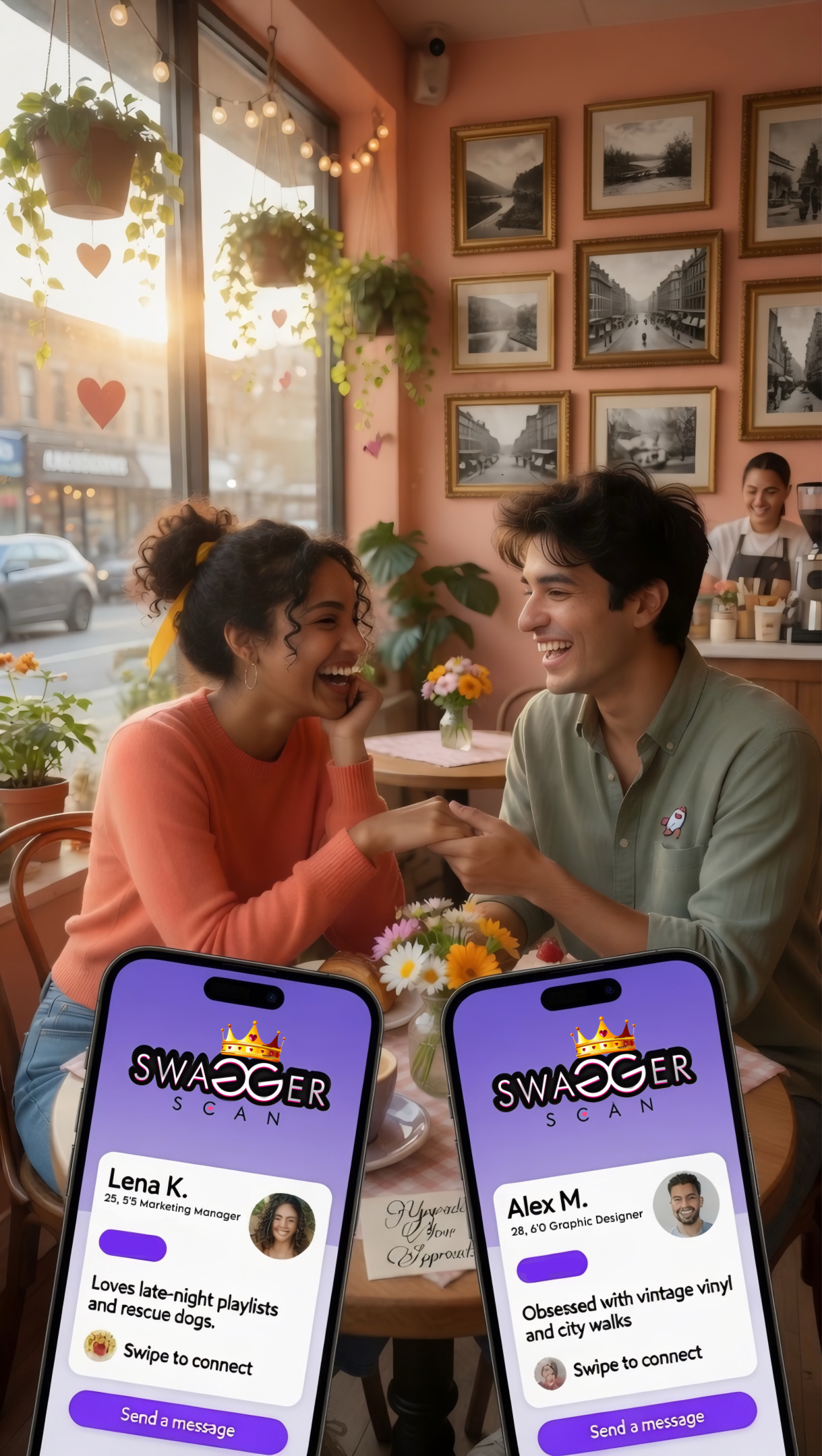
AI Didn’t Ruin Dating. We Did.
By Dia Hicks
Thank you for reading this post, don't forget to subscribe!Two headlines crossed wires this week. They look like separate stories. They’re the same story.
The European Centre for Disease Prevention and Control released its 2024 report on bacterial sexually transmitted infections. Gonorrhea cases up 303 percent since 2015. Syphilis cases more than doubled. Congenital syphilis nearly doubled. The numbers are the worst Europe has tracked since surveillance began in 2009.
Meanwhile, dating apps are racing to integrate artificial intelligence as the next matchmaking frontier. AI-written profiles. AI-generated photos. AI personas that respond to messages while users sleep. The pitch is simple: AI can fix what dating apps spent a decade getting wrong.
Both stories tell the same truth. The dating culture of the last decade optimized for volume, not verification. The infections are what that optimization looks like at the population level. The race to AI is what that optimization looks like inside the platforms. Neither would be necessary if we had built the honesty layer first.

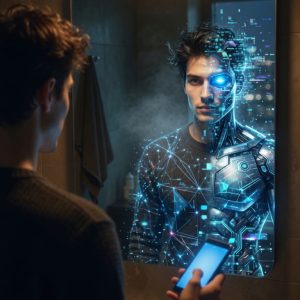
There’s AI as a mirror. Coaching someone through a hard conversation they’ve never had. Drafting the bio they’ve overthought for a month. Practicing the difficult question they want to ask but can’t quite phrase. Helping them think more clearly about what they actually want before they walk into the room. AI as a mirror sharpens you. It returns you to yourself more focused, more honest, more prepared. The other person meets the real you — just a version of you who came in ready.
Then there’s AI as a mask. Generated photos that aren’t you. Messages written by a model trained to manipulate engagement metrics. Personas that simulate interest in someone’s life, their humor, their pain. Bots that automate flirtation across hundreds of conversations simultaneously while the human who deployed them sleeps. AI as a mask doesn’t sharpen you. It substitutes for you. The other person meets a version of you who doesn’t exist, builds an attachment to that version, and discovers the gap only after they’ve invested time, money, or hope they can’t get back.
A mirror sharpens. A mask hides. The difference matters because of what dating is supposed to do.
Dating is the act of two real people trying to figure out if they want to spend more time together. That’s it. Every feature of every app should be evaluated against whether it makes that act more honest or less. Getting tested is honesty. Coaching is honesty. A model that helps a shy person find their words is honesty. A face that doesn’t belong to the person sending it is not. A persona answering messages on behalf of someone who isn’t actually paying attention to the conversation is not.
The pushback I usually hear at this point is that all assistance is deception by degree. If AI helps you write a better message, isn’t the recipient meeting an AI-assisted version of you rather than the unassisted you? The answer is no, in the same way that a person who rehearsed their wedding toast is not deceiving their guests. Preparation is not deception. Substitution is. The line is intention. If the AI is helping the human show up more fully, it’s a mirror. If the AI is showing up instead of the human, it’s a mask.
Dating platforms have a choice to make. They can build honesty-layers and treat AI as a coaching mirror — the upstream solution that would have prevented both the STI surge and the trust crisis we’re now trying to solve with more AI. Or they can keep optimizing for volume, deploy AI as a mask, and wait for the next data release to confirm that the problem deepened.
Daters have a choice too. Use AI to sharpen yourself. Don’t use it to replace yourself. The person on the other side of the conversation deserves the real you. So do you.
Honesty before trust isn’t anti-AI. It’s anti-deception. The dating culture that’s been collapsing for a decade didn’t break because we built the wrong technology. It broke because we built the wrong order. Honesty first. AI second. Trust last.
If we want a different decade than the one we just had, the order has to change.
—Dia Hicks is the founder of swaGGerscan™, a dating and gaming platform in active development since 2013. He has spent over a decade studying the intersection between public health and modern dating.
*Early Access is open at blog.swaggerscan.com/early-access.html