
Dating & Relationships, Entertainment, Lifestyle, Music, Online Dating, Public Health, Sports, Technology, Tips & Advice
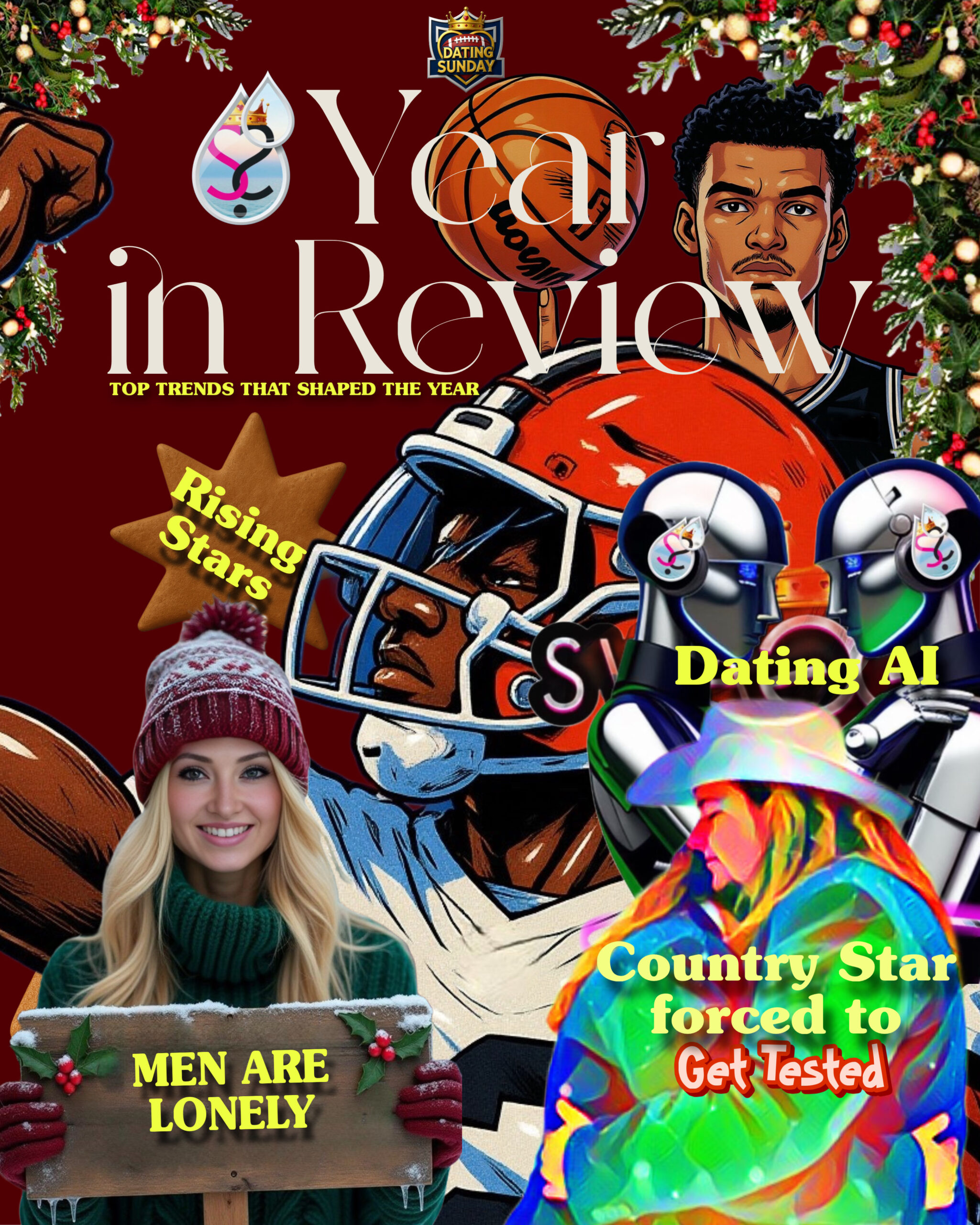
2025 walked into the room like a microphone drop and wouldn’t leave. It gifted us record-breaking scandals, record-breaking advances in tech, breakthrough sports stars, and more memes than you can scroll through in a lifetime—often all at once. If you lived through it, you know: this year wasn’t just a string of events; it was a test of our resilience, our humor, and our ability to keep up with rapid-fire change. 2025 wasn’t a pile of one-offs but a pattern—how fast we adapt, how boldly we debate, and how often we reboot, refresh, and remix.
Our year-in-review is built around the moments that actually moved the dial—AI breakthroughs that felt almost magical, global headlines that reshaped everyday life, cultural moments that made us cheer and cringe in the same breath, and world news begging for action. So here’s a brisk tour of the biggest moments, why they mattered, and what they hint at for 2026. And since the best year-end recaps spark conversation, drop your own favorite moment in the comments and let’s stitch together the definitive 2025 recap.
Five forces rewired the cultural landscape in 2025
1. Male Loneliness: Lonely, But Not Alone
In 2025, male loneliness stopped being whispered about on Reddit and started becoming a boardroom topic, a therapy couch staple, and a dating-app feature request all at once. The tides turned and things shifted in ‘25 because men began treating loneliness not as a personal failure but as a signal—like a low battery warning that asked, “Hey, can we plug this in with a real connection?” The result: new rituals of bonding, revamped workplace norms, and media that finally treated male vulnerability as something other than a punchline.
From ghosting to grounding
With the admission of loneliness, a fresh script emerged: vulnerability is a strength, not a weakness to be hidden behind a protein shake and a meme. Men learned to name loneliness without shame, seek community without apology, and measure relationships by quality rather than quantity. Television, podcasts, and film finally leaned into male friendship and emotional literacy as a feature, not a plot twist. We saw shows that celebrated male friends sharing fears, boundaries, and awkward feelings; podcasts that normalize weekly check-ins between bros and even a TikTok trend where male friends would call their buddies before bedtime to wish them a good night as a sensitivity-spoof. Internet-goers ate it up, because of the unexpected responses from a lot of the ‘buddies’ who were called because, as it turns out, some of those friends seemed to really appreciate the playful check-in.
2. Falling for AI
In 2025, AI stopped just helping humans brainstorm and started co-writing the playlist, the poster, and the playlist-for-the-poster. Creativity went from “I had an idea” to “Here’s an idea, plus 17 variations, plus a soundtrack, plus a brand-new color palette you didn’t know you needed.” The cultural landscape didn’t just tilt—it did a full 360-spin, dance break included. And yes, everyone from your college study group to your local barista felt it in their feed, their playlist, and their group chat.
The Ripple Effects of AI-assisted creativity
When machines can generate art, music, writing, and design in seconds, the value of human flavor becomes more evident—and more celebrated. AI acts like a mischievous co-pilot: it suggests wild combos you wouldn’t dare try, then hands you the reins to steer. The result is a cultural palette that’s louder, faster, and more blended than ever. Global influences collide in real time, giving rise to micro-multicultural movements, viral art that looks native to no single country, and emergent vernaculars born from algorithmic remixing. The net effect: culture is less about “where you’re from” and more about “how boldly you remix it.”
Who gets swept up (and why it matters)
Social Media
AI turbocharges content creation, turning everyone into a publish-ready creator. Generative tools draft captions, design thumbnails, and even compose music snippets that fit a post’s mood. The result: feeds move faster, trends emerge and vanish in the blink of a pixel, and the line between fan art and original work gets blurrier than a gradient filter. The upside: more expressive content and better accessibility; the downside: authentication and authenticity challenges become the new baseline tests.
College Students
Student life got a glow-up: AI tutors tailor feedback, co-author essays (with appropriate credit), and help brainstorm research angles. Collaboration feels less like “group project hell” and more like “we all contributed, even the AI who offered a surprisingly poetic abstract.” The caveat: beware of over-reliance and plagiarism concerns. The skill shift? Mastery now includes curating AI tools, validating outputs, and turning machine suggestions into human storytelling that resonates in classrooms and beyond.
Singles
The dating scene gets creative-boosted, too. AI helps profile curation, sensory storytelling in profiles, and even conversation starters that strike the right balance between funny and thoughtful. Apps layer in mood-adaptive prompts and image recommendations that reflect your evolving vibe. The upside: more genuine connections and less endless scrolling; the risk: you might start dating your AI’s taste more than your own.
What this means for you
– If you’re a student, treat AI as a co-creator and a tutor—learn its language, but trust your own judgment for the final edit.
– If you’re a healthcare professional, lean into AI for clarity and empathy, not replacement. Use it to enrich patient communication and training.
– If you’re a business owner, experiment boldly, but anchor creativity in a transparent framework for authorship and ethics.
– If you’re single, enjoy the enhanced self-presentation and conversation tools, while staying authentic to your own voice.
– If you’re a content creator on social media, curate a mosaic of human and machine-made content that reflects both cleverness and conscience.
3. The Tug-of-War: Legacy Media, Podcasts, and Streaming
Legacy media built the baseline: trusted journalists, scheduled news, and event TV that felt like a communal ritual. But by 2025, the once-epic news cycle could be upstaged by a rapid-fire stream of podcast episodes, live streams, and bingeable series released on-demand. People no longer waited for the 6 o’clock bulletin to learn what happened; they asked their favorite host, or their algorithm, “What happened, really, and who’s talking about it now?” The result is a hybrid ecology: the authority of established outlets blended with the speed, intimacy, and niche expertise of independent creators.
This noticeable shift shows up in this way:
The business of trust, quality, and transparency
Legacy media’s fact-checking, editorial standards, and accountability frameworks still matter—but they must compete in a space where creators can publish instantly. This friction nudges legacy outlets toward faster publishing cycles without sacrificing rigor, and it nudges creators toward transparent sourcing and clear disclosures. The result is an ecosystem that values speed, reliability and relatability.
The edge: cross-platform storytelling and global reach
The convergence of legacy media, podcasts, and streaming unlocked cross-border and cross-genre storytelling. Documentaries co-create with podcasts and livestreams; regional outlets tap into global networks via streaming platforms; creators remix local cultures into globally digestible formats. Suddenly a story about a hometown nonprofit can become a multi-channel narrative with micro-documentaries, a podcast mini-series, and an international distributable clip set—reaching audiences that were previously invisible to traditional media.
Legacy media didn’t fade; it learned to remix. Podcasts and streaming didn’t simply replace old formats; they reinterpreted them, injecting speed, intimacy, and niche expertise into the cultural bloodstream. The net effect is a more vibrant, contested, and connected media ecology where audiences shape conversations as much as they consume them. In 2025, news wasn’t owned by a single channel—it was curated by you, your friends, and the brave creators who keep the conversation moving.
4. Pandemic Fatigue, the STI Spike, and a Rethinking of Dating Standards
Let’s set the scene: after months of social distancing, everyone swiped right like their Wi-Fi depended on it, then blinked at the sudden freedom to go outside without a list of questions for the air. Welcome to pandemic fatigue—that cheeky little gremlin that made us crave connection while simultaneously making us nervous about it. The result? A tricky combo platter: more online dating, more impulsive decisions, and a tailwind for sexual health misfires.
Here’s how pandemic fatigue nudged the dating scene in 2025
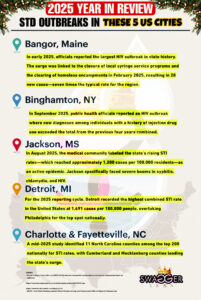
Access and attention drifted. Routine sexual health checkups were disrupted during lockdowns, reopening waves of unfortunate and consequential outcomes. Clinics had shorter hours, resources were stretched, and some people skipped screenings because “I’ll get tested later” sounded reasonable… until later became never. Once dating volumes rebounded, the gap in regular testing quietly fed a rise in detectable infections once dating volume rebounds.
The return of in-person dating came with a rush
After long lockdowns, many folks prioritized momentum over caution. That’s understandable, but it also means more rapid, unprotected encounters for some. The risk isn’t just “one-night stands”—it’s cumulative exposure from multiple partners over a short window.
Online dating amplified the reach, not necessarily the safety
Apps made it easier to meet people from every corner of the map, but conversations about health, testing, and boundaries remained awkward for a lot of users. “So, have you been tested?” swapped awkwardly with “What’s your vibe?” and “Are we seeing other people?” became a standard question rather than a rare one. Health authorities in many regions noted upticks in several sexually transmitted infections as social life rebounded and regular testing patterns lagged behind behavior. It’s not a single country story; it’s a chorus line that played out across multiple communities worldwide. Risk perception didn’t always catch up with actual behaviors, and that gap showed up in infection rates.
A vignette for illustration
After their first date, Country Music star Marcus King’s then-girlfriend—now wife—asked him to get tested before things progressed. This moment isn’t about scandal; it’s about approaching romance with a dose of adult responsibility. The takeaway isn’t that famous people get around; it’s that healthy dating strategy provides many unquantifiable benefits, regardless of who you are. The now—Mrs. King might be so inclined to agree.
If you’re building conversations with someone online, think about quick, positive suggestions that nudge toward safety without killing the chemistry. Examples: “When did you last get checked for STIs?” or “What’s your comfort level with testing before dating?” These questions aren’t party poopers; they’re maturity markers that can prevent awkward reveals later.
Pandemic fatigue didn’t just tire our hearts; it reshaped how we date. The cure isn’t fear, it’s conversation, care, and proactive innovation like swaGGerscan that lets romance bloom without compromising safety.
5. The Rise of Victor Wembanyama and Sheduer Sanders
In 2025, two names became more than logos on jerseys or highlight reels: Victor Wembanyama and Sheduer Sanders. One brought a rare blend of height, grace, and a fusion of basketball artistry; the other carried leadership, polish, and a new-era quarterback aura into the NFL. Together, they shifted how fans connect with sports, how brands talk to athletes, and how young stars dream bigger than their sport. This isn’t a hype train—it’s a phenomenon where youth meets a can-do attitude, and the global audience meets this generation’s version of the Rock Star athlete – Wemby and Shedeur.
The NIL era crystallized for college athletes
If you’re a college athlete, 2025 felt like a spotlight that finally found your angle. NIL isn’t a novelty; it’s a framework for agency. Sanders demonstrated how to turn negative visibility into positive impact. Wembanyama showed that international attention can be harnessed with the right narrative, timing, and authenticity. Together, they reframed what it means to monetize your athletic talent while preserving competitive focus.
The Democratization of Stardom for Young Athletes
The two superstars were solely responsible for successful runs on multiple fronts—social media viral potency, cross-sport appeal, and international reach. Young quarterbacks, rising collegiate hopefuls, and international athletes saw that you don’t have to be picked to shine—you can reach your goals by owning that which you can control. Wembanyama and Sanders didn’t just rise to stardom; they expanded the terrain of what it means to be a modern sports superstar. They showed that in 2025, greatness comes with global reach, savvy response to adversity, and a willingness to redefine what fans expect from athletes. For athletes big and small, across international ranks, the takeaway is clear: build a brand that travels, lead with purpose and steadfastness, and stay relentlessly curious about how your sport intersects culture globally. If you’re chasing healthy stardom, study their playbook—just don’t forget to write your own chapter. Upgrade.. your approach.
Leave a Reply