Ebola in the DRC: What’s Happening, and Why Staying Informed Matters
A month into one of the most serious Ebola outbreaks in years, the picture out of the Democratic Republic of the Congo is sobering — and it’s a reminder that health awareness is never just someone else’s concern.
Thank you for reading this post, don't forget to subscribe!Here’s where things stand.
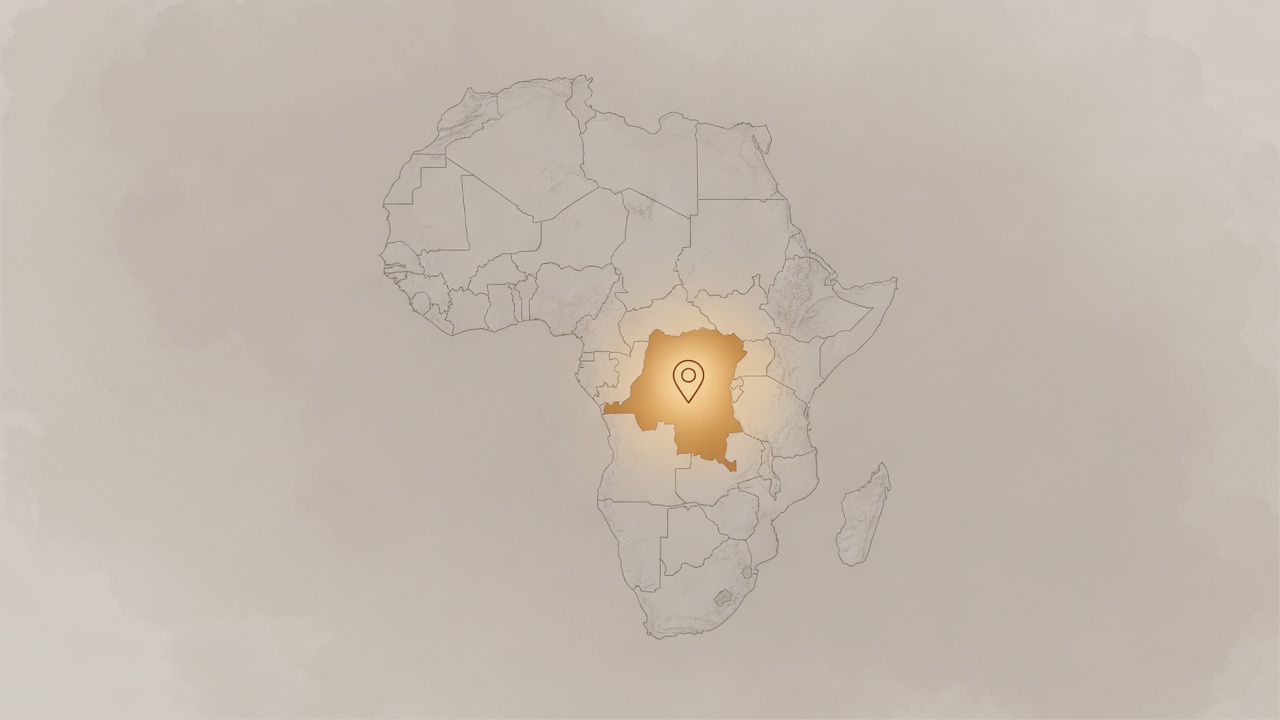
The basics. On May 15, 2026, the DRC declared an Ebola outbreak in Ituri Province, in the country’s northeast. Two days later, the World Health Organization declared it a public health emergency of international concern. It is the 17th recorded Ebola outbreak in the DRC since the virus was first identified in 1976.
This outbreak is caused by the Bundibugyo virus, a less common species of Ebola — and that detail matters. The vaccine and treatments approved for the more familiar Zaire strain are not approved for Bundibugyo. There is currently no licensed vaccine or specific treatment for it, though clinical trials of experimental options are underway.
The numbers. By mid-June, confirmed cases in the DRC had climbed past 670 and were still rising, with later national tallies running higher still, alongside well over 130 deaths. The outbreak has spread across dozens of health zones in three eastern provinces — Ituri at the epicenter, with North Kivu and South Kivu also affected. Neighboring Uganda has reported a smaller cluster tied to travel from the DRC. Officials caution that counts are climbing partly because testing has expanded, and that the true scale may exceed confirmed figures.
Why it’s hard to contain. The outbreak is unfolding in one of the most difficult environments imaginable: a region already living through armed conflict, mass displacement, and a humanitarian crisis affecting nearly two million people. Insecurity, heavy movement around mining and trade, and cross-border travel all make the basic work of an outbreak response — finding cases, tracing contacts, isolating the sick — far harder.
One month in, aid groups including Doctors Without Borders have warned that gaps in surveillance, diagnosis, contact tracing, and community trust are still undermining theresponse. As the WHO has stressed, outbreaks like this are ultimately brought under control only when affected communities are part of the solution.
A note of hope. Amid the grim figures, dozens of patients have now recovered — the first confirmed recoveries of the outbreak, and a reminder that early care saves lives. Why we’re covering it. swaGGerscan® is built on a simple idea: knowing your health status, and the health realities around you, beats looking away. For most readers, Ebola is a world away, and the risk to the general public outside the affected region remains low. But staying informed — separating facts from fear, understanding how a disease actually spreads, and knowing why testing and honesty save lives — is a habit worth practicing on every scale.
For the most current figures and guidance, follow the World Health Organization and your national health authority.